文: TSUKIMI JAPAN 月見日本
最後更新: 2025/SEP/14
(English below)
抹茶顏色崇拜症:你喝的是茶,還是色卡?
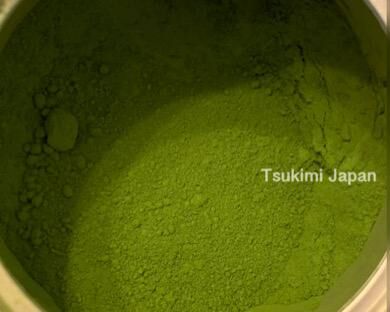
(單看第一張相片,你覺得是什麼等級的抹茶?低級/入門/高級?──答案將在文中揭曉)
近年來,出現了一股抹茶風潮:「抹茶顏色崇拜症」(Matcha Colour Worship)*。
有人選茶,單以顏色判斷品質,不喝一口,先比較色卡。夠深綠?✔️。沒有PANTONE 2273C的色?❌。
於是我們常看到這樣的評論:
「這款抹茶顏色不夠深,不行!」/「這麼亮的綠,一定很高級!」
問題是─真的是這樣嗎?
在這股風潮下,部分日本廠家與海外商家看準心理,紛紛推出色澤驚豔、卻缺乏實質內涵的「抹茶」**。
1. 色彩與品質: 綠得發亮,就一定高級嗎?
抹茶的顏色,固然受產地、品種、樹齡、採摘期、栽培方式和研磨方式等影響,但它從來不是唯一的品質指標。
一些極深或極亮的綠色,可能來自大量遮光栽培、特定品種。甚至是經過「特殊處理」(包括不光明正大的方法),結果是:外觀出色,味道與香氣卻空乏。
「A小姐買了一款極深綠的抹茶,結果沖泡後滿口苦澀;B先生買了一款顏色普通的抹茶,卻驚喜於甘甜與鮮味。」
反過來說,有些「正常綠」的抹茶,香氣濃郁、茶湯層次豐富,甘甜與鮮味交織。只是因為少了「視覺衝擊」,就被嫌棄—實在冤枉。
2. 相片的魔法: 為什麼網上比你家裡的綠?
別忘了,你在網上看到的許多抹茶粉末、飲品或甜品相片,都是攝影棚裡的產物。
抹茶商品在專業燈光與後期調色的加持下,自然比你家中看到的不同。
再加上螢幕顯示差異與個人視覺感知,每個人眼中的「抹茶綠」本就不盡相同。
3. 光線的魔法: 黃燈下的茶,真的變普通?
一打開包裝,在室內燈光下看到抹茶不夠「理想綠」,就立刻懷疑品質。
其實,光線對顏色的影響非常大。自然光下的綠,與常見人造光下的綠,往往完全不同。
我們做過一個小實驗:將福岡產的高級抹茶,分別在自然日光與室內黃光下拍攝。(第一張相片) 結果─大部分誤認為是「入門抹茶」,甚至有部分判為「低級抹茶」。
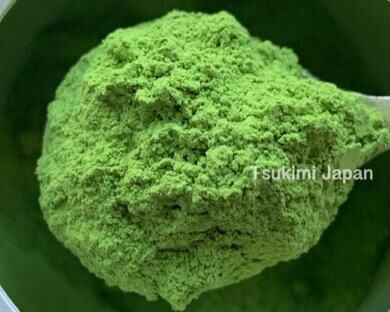
但事實是:這兩張相片來自同一款高級抹茶。
由此可見,單看相片或在光線因素下,難以直接斷定抹茶品質。***
自然日光下拍攝
4. 認知偏差: 社群世代的「抹茶濾鏡」
在社交媒體上,視覺往往比味覺更容易被放大。
許多品牌或KOL為了「打卡效果」,追求能拍出「最深最綠」的抹茶款式。於是宣傳的重點成了「濃、綠、打卡漂亮」,而非茶的本質。
結果,消費者潛移默化地以為:只有這種綠才是好抹茶。
但要記住:顏色可以造假,味道才相對難以欺騙。
延伸閱讀: 抹茶顏色之謎(烘焙上)
https://www.tsukimixjapan.com/blog/posts/matcha-colour-baking
5. 味覺才是抹茶的靈魂
抹茶的價值,本質上在於它的「鮮味」(umami)、甘味、苦澀味的繁雜性與持續性,和香氣的豐富性。
若僅憑顏色斷定品質,往往錯過許多真正值得細品的好茶。
給「顏色迷」的小建議
顏色當然可以是作為個人喜好指標之一,如果想透過顏色判斷抹茶,可先把黃色的淘汰。
但別停留在視覺判斷,下次品嚐抹茶時,請試試這個方法:
- 先聞粉末的香氣,再沖泡後聞茶湯香氣,有沒有像海苔、甘甜等宜人香氣?
- 品嚐時,感受茶湯在口腔的感覺,是否留下愉快的餘韻?
若這些都能打動你,那麼顏色不夠深,又有什麼關係?
結語
抹茶是農作物,不是印刷墨水。顏色可以作為參考,但絕不是唯一標準。
當你放下「顏色執念」,你會發現: 真正的好抹茶,不一定是最深色的那碗,而是能在你心裡留下餘韻的那一碗。
*在未曾飲用該抹茶前,以顏色斷定抹茶品質。認為抹茶一定要極亮綠或極深綠才是好抹茶。
**嚴格來說,那些「僅有顏色出眾」的,甚至不能算是真正的抹茶。
***茶葉是來自大自然,我們傾於使用自然日光試茶及拍攝。
Matcha Colour Worship:
Are You Drinking Tea — or a Colour Swatch?
(Judging only from the first photo, what grade of matcha would you say this is? Low / Entry-level / High-grade? The answer will be revealed in the article.)
In recent years, a peculiar trend has emerged in the matcha world: “Matcha Colour Worship.”
Some people choose matcha based solely on colour—before taking a single sip, they compare it to a colour chart.
Deep green? ✔️
Not close to PANTONE 2273C? ❌
As a result, we often see comments like:
“This matcha isn’t green enough—no good!”
“That bright green colour must mean it’s premium!”
But is that really true?
Under this trend, some Japanese producers and overseas sellers have begun catering to this mindset, releasing visually striking “matcha” that lacks real substance.*
The colour impresses—but the flavour tells a different story.
1. Colour vs Quality:
Does Brighter or Deeper Green Always Mean Higher Grade?
The colour of matcha is indeed influenced by origin, cultivar, tea plant age, harvest timing, cultivation method, and grinding process.
But colour has never been the sole indicator of quality.
Extremely dark or vivid green hues may result from heavy shading, specific cultivars, or even “special treatments” (not all of them transparent).
The outcome? A beautiful appearance, but a flat aroma and hollow taste.
Ms A purchased an intensely dark green matcha, only to find it overwhelmingly bitter when brewed.
Mr B chose a matcha with a modest, “ordinary” green colour—and was surprised by its sweetness and umami.
Conversely, many matcha with a more “natural” green offer rich aroma, layered flavour, and a beautiful balance of sweetness and umami.
They are simply overlooked because they lack immediate visual impact—which is truly unfair.
2. The Magic of Photography:
Why Does Matcha Look Greener Online Than at Home?
Remember: most matcha powder, drinks, and desserts you see online are photographed in studio environments.
Professional lighting and colour grading can dramatically enhance the green appearance.
Add screen calibration differences and individual visual perception, and everyone ends up seeing a slightly different “matcha green.”
3. The Magic of Light:
Does Matcha Really Look “Ordinary” Under Warm Indoor Lighting?
Many people open a new tin indoors and instantly doubt its quality because the colour doesn’t match their expectations.
In reality, lighting plays a major role in how colour is perceived.
Matcha looks very different under natural daylight compared to typical indoor warm lighting.
We conducted a small experiment:
We photographed a high-grade Fukuoka matcha under natural daylight and under indoor warm light (the first photo).
The result?
Most people assumed it was “entry-level matcha,” and some even judged it as “low-grade.”
But in fact, both photos show the same high-grade matcha.
This clearly demonstrates that judging matcha quality solely from photos—or under varying lighting conditions—is unreliable.***
4. Cognitive Bias:
The “Matcha Filter” of the Social Media Era
On social media, visuals are amplified far more easily than flavour.
To maximise “photo appeal,” many brands and influencers chase matcha that appears the darkest, the greenest.
Marketing focuses on keywords like “rich,” “deep green,” and “Instagrammable”—rather than the tea itself.
Over time, consumers are subconsciously conditioned to believe that only this shade of green equals good matcha.
But remember:
Colour can be manipulated. Taste is much harder to fake.
📖 Further reading: The Mystery of Matcha Colour in Baking
https://www.tsukimixjapan.com/blog/posts/matcha-colour-baking
5. Flavour Is the Soul of Matcha
The true value of matcha lies in its umami, sweetness, controlled bitterness, lingering aftertaste, and aromatic complexity.
Judging matcha by colour alone often means missing out on genuinely exceptional teas.
A Few Tips for “Colour-Focused” Matcha Drinkers
Colour can certainly be a personal preference, and it may serve as one reference point.
If you must judge by colour, you may start by eliminating yellowish tones.
But don’t stop at visual judgment.
Next time you drink matcha, try this:
- Smell the dry powder first—does it carry pleasant aromas such as seaweed-like umami or gentle sweetness?
- After whisking, smell the liquor again—does the aroma open up?
- When tasting, notice how the tea feels in your mouth. Does it leave a satisfying, lingering finish?
If these elements resonate with you, does it really matter if the colour isn’t the deepest green?
Conclusion
Matcha is an agricultural product—not printing ink.
Colour can be a reference, but it should never be the only standard.
When you let go of colour obsession, you may discover this:
The best matcha isn’t necessarily the greenest bowl—but the one that leaves a lasting impression in your heart.
* “Matcha Colour Worship” refers to judging matcha quality solely by colour before tasting, believing only extremely bright or deep green matcha can be good.
** Strictly speaking, products that rely on colour alone often cannot be considered true matcha.
*** As tea is a natural product, we prefer evaluating and photographing it under natural daylight.