「星野抹茶」與「八女抹茶」之謎
Hoshino Matcha & Yame Matcha
文: TSUKIMI JAPAN 月見日本
最後更新: 2023/OCT/15

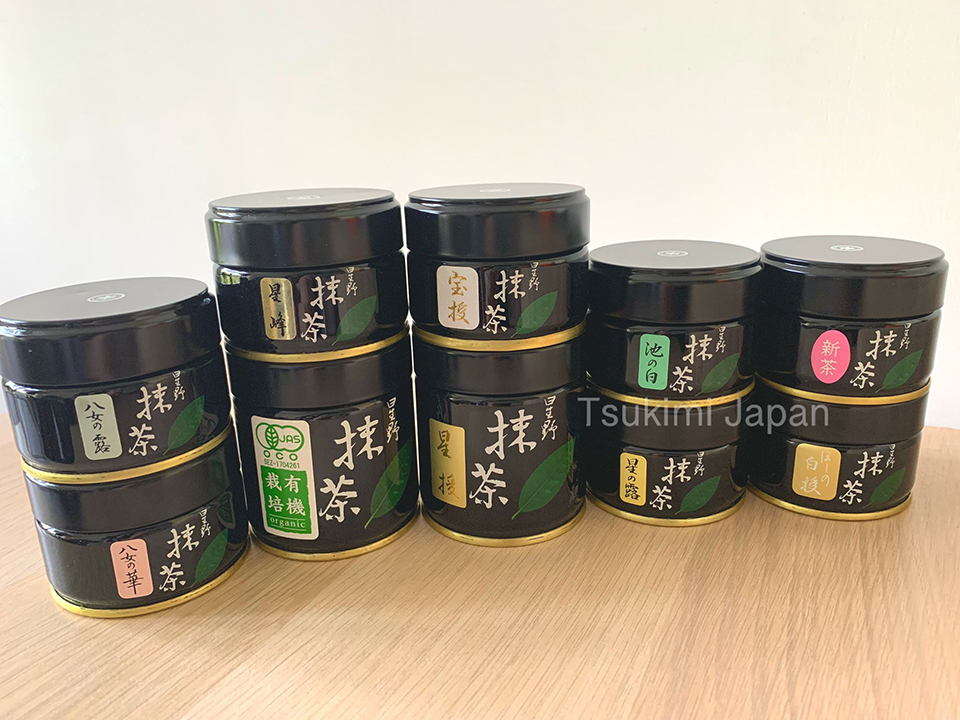
圖:星野抹茶(Hoshino Matcha)
(English below)
最近常看見,除了「宇治抹茶」外,相信應該是「八女抹茶」。不論是咖啡店、café或烘焙店等都會以此作為賣點。
但有時標示為「星野抹茶」,有時又會標示為「八女抹茶」。
有點迷惑? 到底是否相同意思?
日本茶及八女茶的起源
先說一點歷史,大約在832年前日本鎌倉時代初期,當時由榮西禪師從古代中國帶回茶樹種子,將它種植在現時九州佐賀縣背振山。
而在600年前的室町時代,在現時的九州福岡縣八女市黑木町開始種植茶,為「八女茶」的起源。
「星野抹茶」和「八女抹茶」分別是?
首先,以抹茶原料(碾茶)的產地及製茶者來說明一下。
「星野抹茶」: 是在福岡縣八女市星野村為主產的抹茶。
原料產地來自以星野村為中心的的八女市地區1,包括黑木町、矢部村、上陽町及立花町。
這些地區傳統以來是有名的優質茶葉產地,包括玉露、煎茶、冠茶等。
「八女抹茶」: 是由八女茶商加工及生產。
但是,原料產地除了來自福岡縣八女市外,還有可能來自福岡縣筑後市、広川町、うきは市等。
這視乎茶商而定。
這樣的概念同樣適用於其他綠茶類別(例如玉露、煎茶等等)。
- 八女市原料產的「星野茶」/「星野抹茶」/「八女茶」/「八女抹茶」*
- 福岡縣原料產的「八女茶」/「八女抹茶」*
*「八女茶」這名詞歷史悠久,如上所述其起源於八女市黑木町,常常會以此稱呼。
但在現今,「八女茶」或「八女抹茶」茶葉不一定只種植自八女市。如要確實知道來源,則需要該茶商是否提供足夠的資訊。
接著,談談「味道」。主要可以由種植環境及製茶方式影響。
1. 種植環境
八女市是山區為主,尤其是星野村的土壞非常適合種植茶葉。星野村大自然環境豐富,被稱為日本最美麗的地方之一。是通年霧多、降雨量多、日夜溫差較大和海抜較高的山村。
由於星野村的自然環境,其霧氣可以說是天然的「遮光」被覆種植,令所種植的「星野抹茶」(及茶葉)的甘味及鮮味成份較多,而苦澀味成份較少,顏色更美麗。
與在平地上種植的「八女抹茶」相比,「星野抹茶」的苦澀味較少,甘甜味更醇厚。
而高級茶的代名詞「玉露」。尤其是在星野村生產的「傳統本玉露」,因其甘甜醇厚的味道及香氣獨特而聞名全日本及海外。
於星野村,只有是透過傳統栽培方法的玉露才能被定義為最高級的「傳統本玉露」,自然剪裁、稻草覆蓋、手工採摘,產量稀少。
另外值得一提的是,2023年日本全國茶評會(玉露)第一位是來自八女市星野村。
同時,八女市已是連續第23年於日本全國茶評會(玉露產地賞)居於第一。
2. 製茶方式
除了種植環境外,茶商的製茶過程也大大影響茶的最終風味走向。
關於「星野抹茶」,事實上是位於星野村的星野製茶園擁有的商標。
所以嚴格來說,「星野抹茶」只在福岡縣八女市種植並由星野製茶園(星野)生產的抹茶。
其他茶商是不能使用。
他們從種植開始,由荒茶的新鮮度控制,碾茶生產,到抹茶研磨等,均通過一貫的管理流程以達到優良品質控制。
其次,「星野抹茶」製茶方法所產生的獨特味道和香氣是其他地方或茶商無法模仿的。
而星野的「業務用八女抹茶」同樣是經自家抹茶工場生產,使其「業務用八女抹茶」的整體味道風味也不同於其他茶商的「八女抹茶」。
不僅是香氣和味道,連抹茶的色澤,甚至粉末大小都經過徹底品質控制,以保持抹茶質素的一致性,一年四季都味道鮮美。
那麼怎樣選擇?
如想品嚐獨特唯一的味道及香氣,可選「星野抹茶」。
如希望也帶有八女星野的特別風味,但主要製作各式甜品、飲品、業務用等,
可選星野的「業務用八女抹茶」系列,同樣俱有嚴格的品質管理。(曾提及過比某些牌子的「茶道飲用級抹茶」更高質素)
為何會有非全部八女市原料產的「八女茶/八女抹茶」出現?
隨著時代的變遷,社會發展及需求等,往往使界限也變得愈來愈寬鬆。
如「宇治茶/宇治抹茶」般,現時並非全部產自京都府或宇治市這樣2。
唯一無法改變的,是該些原來傳統地區的味道及質素是其他地區無法完全模仿吧。
值得留意的是,近年日本茶在海外需求上升,特別是抹茶,有些茶商為追求出口需求,導致大量良莠不齊的抹茶流通於海外市場。
總結,因地理及製茶因素,使「星野抹茶」具有其獨特性,所以「星野抹茶」不等於「八女抹茶」。
同樣,「傳統本玉露」不等於「八女玉露」。
學會了以上基本知識,大家可以選擇認為適合自己喜好風味的茶,大家不用再被含糊不清的商家蒙在鼓裡。
–>星野茶傳送門
1現時的八女市由6個古村落組成: 星野村、舊八女、黑木町、矢部村、上陽町及立花町。
2「宇治茶」定義: 從歷史、文化、地理、氣候等綜合角度共同發展起來的宇治茶。
由京都、奈良、滋賀、三重四個縣所產,並由京都府內茶商以宇治法加工生產的茶。
Yame Matcha and Hoshino Matcha — Are They the Same?
Recently, besides “Uji Matcha,” another name frequently seen—especially in coffee shops, cafés, and bakeries—is “Yame Matcha.”
Sometimes it is labeled as “Hoshino Matcha,” while at other times as “Yame Matcha.”
Naturally, this can be confusing.
Are they referring to the same thing, or is there a difference?
The Origins of Japanese Tea and Yame Tea
A brief historical background helps clarify this distinction.
Approximately 832 years ago, in the early Kamakura period, Zen monk Eisai brought tea seeds back from ancient China and planted them in what is now Mt. Sefuri, located in present-day Saga Prefecture, Kyushu. This marked the early spread of tea cultivation in Japan.
Later, around 600 years ago during the Muromachi period, tea cultivation began in Kurogi Town, Yame City, in present-day Fukuoka Prefecture. This region later became known as the origin of Yame Tea.
What Is the Difference Between “Hoshino Matcha” and “Yame Matcha”?
To understand the distinction, it is important to look at both the origin of the raw materials (tencha) and the tea producer.
Hoshino Matcha
“Hoshino Matcha” refers to matcha primarily produced in Hoshino Village, Yame City, Fukuoka Prefecture.
The raw tea leaves are sourced from areas centered around Hoshino Village within Yame City¹, including Kurogi Town, Yabe Village, Joyo Town, and Tachibana Town. These regions have long been recognized as producers of high-quality Japanese teas such as Gyokuro, Sencha, and Kabusecha.
Yame Matcha
“Yame Matcha,” on the other hand, generally refers to matcha processed and produced by Yame tea merchants.
However, the raw materials may come not only from Yame City but also from surrounding areas such as Chikugo City, Hirokawa Town, and Ukiha City in Fukuoka Prefecture. The exact origin depends on the individual tea merchant.
The same concept applies to other green tea categories, including Gyokuro and Sencha.
Tea made from Yame City–grown leaves may be labeled as
“Hoshino Tea,” “Hoshino Matcha,” “Yame Tea,” or “Yame Matcha.”
Tea made from elsewhere in Fukuoka Prefecture may still be labeled as
“Yame Tea” or “Yame Matcha.”
* Although the term “Yame Tea” historically originated from Kurogi Town in Yame City, today “Yame Tea” or “Yame Matcha” does not necessarily mean the tea was grown exclusively in Yame City. To know the precise origin, transparent disclosure from the tea merchant is essential.
Flavor Differences: Environment and Processing
Flavor differences mainly arise from two factors: growing environment and tea-making methods.
1. Growing Environment
Yame City is primarily mountainous, and Hoshino Village in particular has soil and natural conditions ideally suited for tea cultivation.
Hoshino Village is rich in natural scenery and is often described as one of Japan’s most beautiful areas. It is characterized by frequent mist, abundant rainfall, large temperature differences between day and night, and relatively high elevation.
The mist acts as a form of natural shading, similar to covered cultivation. As a result, teas grown in Hoshino Village— including Hoshino Matcha—tend to have higher sweetness and umami, lower bitterness and astringency, and a more vivid green color.
Compared with Yame Matcha grown in flatter areas, Hoshino Matcha generally exhibits less bitterness and a richer, rounder sweetness.
This environment also supports the production of Gyokuro, often considered the pinnacle of Japanese green tea.
In Hoshino Village, only Gyokuro produced using traditional cultivation methods—natural pruning, straw shading, and hand harvesting—can be designated as “Traditional Hon-Gyokuro.” Production volumes are extremely limited.
Notably, in 2023, the first-place winner of the National Tea Competition (Gyokuro category) came from Hoshino Village, Yame City.
Yame City has also maintained first place in the Gyokuro Production Area Award for 23 consecutive years.
2. Tea-Making Methods
Beyond growing conditions, the tea maker’s processing methods play a decisive role in shaping the final flavor.
Strictly speaking, “Hoshino Matcha” is a registered trademark owned by Hoshino Seichaen, located in Hoshino Village. This means that only matcha grown in Yame City and produced by Hoshino Seichaen can be labeled as “Hoshino Matcha.”
From cultivation and fresh-leaf handling, through tencha production and matcha stone-milling, all processes are managed under an integrated quality control system.
The distinctive flavor and aroma of Hoshino Matcha, shaped by this approach, cannot be replicated by other regions or producers.
Even Hoshino’s “Yame Matcha for commercial use” is produced in its own matcha factory. As a result, its flavor profile differs clearly from “Yame Matcha” produced by other tea merchants.
Quality control extends beyond aroma and taste to include color and particle size, ensuring consistency throughout the year.
How Should You Choose?
If you wish to experience a distinctive and singular flavor profile, choose Hoshino Matcha.
If you want a matcha that still reflects the character of the Yame–Hoshino region but is suitable for desserts, beverages, and professional use, Hoshino’s commercial-grade Yame Matcha series is an excellent choice, offering strict quality control and high performance.
Why Does “Yame Tea / Yame Matcha” Sometimes Use Non-Yame Raw Materials?
As times change and market demand grows, geographical definitions tend to loosen.
This phenomenon mirrors what has happened with “Uji Tea” or “Uji Matcha,” which today are not necessarily produced entirely within Kyoto or Uji itself².
What cannot be replaced, however, is the distinctive flavor and quality rooted in the original traditional regions—qualities that other areas cannot fully replicate.
In recent years, overseas demand for Japanese tea—especially matcha—has increased sharply. In response, some producers have prioritized export volume, resulting in a wide range of inconsistent-quality matcha circulating in global markets.
Conclusion
Due to differences in geography and tea-making practices, Hoshino Matcha possesses a unique identity and is not synonymous with Yame Matcha.
Likewise, “Traditional Hon-Gyokuro” is not the same as “Yame Gyokuro.”
With a basic understanding of these distinctions, consumers can choose teas that truly align with their own flavor preferences—without being misled by ambiguous labeling.
1 Present-day Yame City is composed of six former villages and towns: Hoshino Village, former Yame (Yame City area), Kurogi Town, Yabe Village, Joyo Town, and Tachibana Town.
2 Definition of “Uji Tea”:
Uji tea is defined through the integrated development of history, culture, geography, and climate. It refers to tea produced in Kyoto, Nara, Shiga, and Mie Prefectures, and subsequently processed by tea merchants located in Kyoto Prefecture using traditional Uji-style methods.