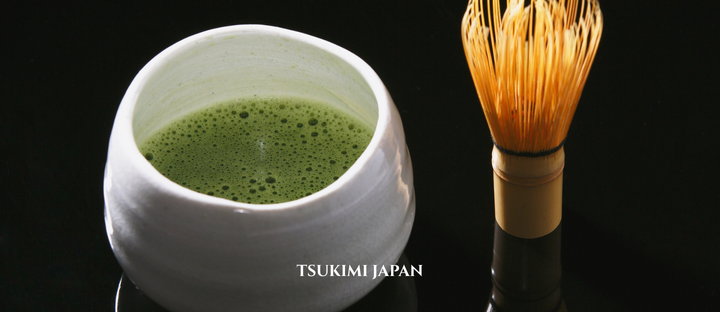
“Matcha can taste somewhat like seaweed” refers to the experience of perceiving a seaweed-like umami taste or aroma when drinking matcha. This does not mean that seaweed has been added to the tea; rather, it is a natural characteristic of matcha itself.
What is Umami (うまみ)?
Umami is one of the five basic tastes (sweet, sour, salty, bitter, and umami). It is characterized by a flavor that spreads across the palate, coats the entire tongue, lingers pleasantly, and stimulates saliva production, giving a sense of depth and roundness to the taste.
Japanese green teas, including matcha, naturally contain umami components, which play an important role in their flavor profile.
Why does matcha sometimes taste like seaweed?
1. Similar umami components Both matcha and seaweed are rich in amino acids. These compounds create similar umami sensations, which can cause matcha’s flavor to remind people of seaweed.
2. Seaweed-like aroma (Ooi-ka / 覆い香) High-quality matcha often exhibits a green, seaweed-like aroma. Before harvest, the tea plants are shade-grown, which increases chlorophyll and amino acid levels. This process produces a distinctive fragrance known as “Ooi-ka”, naturally associated with seaweed-like notes.
Common misconceptions in Western countries
Taste perception varies among individuals, and factors such as sensory experience, lifestyle, and food culture play an important role. In Asian cuisines, sea vegetables such as nori and kombu are widely used, making their aromas and flavors more easily recognizable.
In contrast, in many Western countries, some drinkers are less familiar with seaweed flavors. When encountering the umami taste in matcha, they may mistakenly interpret it as a “sea water” flavor, or even assume it indicates low quality.
In reality, this is not a sea water taste, but a natural flavor formed by the unique combination of umami and seaweed-like aroma characteristic of Japanese tea.
Which matcha is more likely to show this flavor?
Medium to high-grade matcha with pronounced umami
Matcha produced by tea makers or regions that emphasize umami-driven flavor profiles
Summary
The “seaweed-like” character in matcha comes from its umami content and natural seaweed-like aroma. In Western contexts, this flavor is often misunderstood as a “sea water” taste due to differences in food culture.